


Summer 2026 is the last chance for Ukrainian households to make the switch to autonomous heating and officially disconnect from district heating before the next winter season. Znaj.ua reports.
Key takeaways:
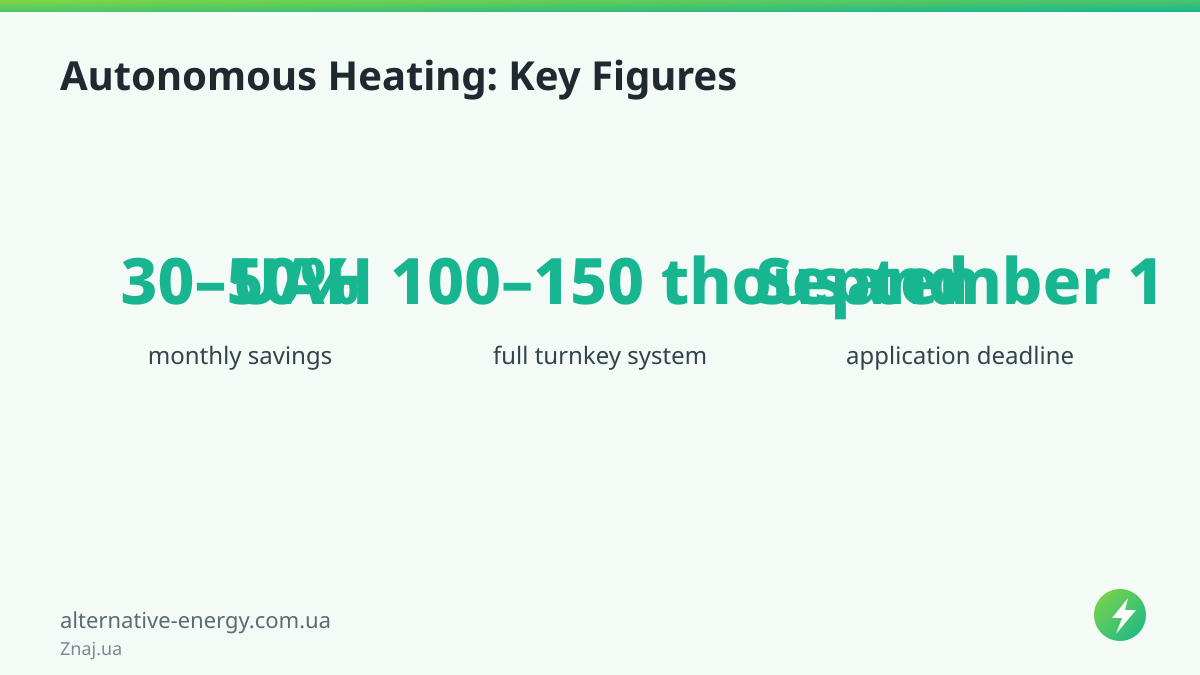
- The document submission deadline is September 1, 2026.
- Equipment removal and installation are only permitted during the non-heating season.
- A full turnkey system costs UAH 100–150 thousand.
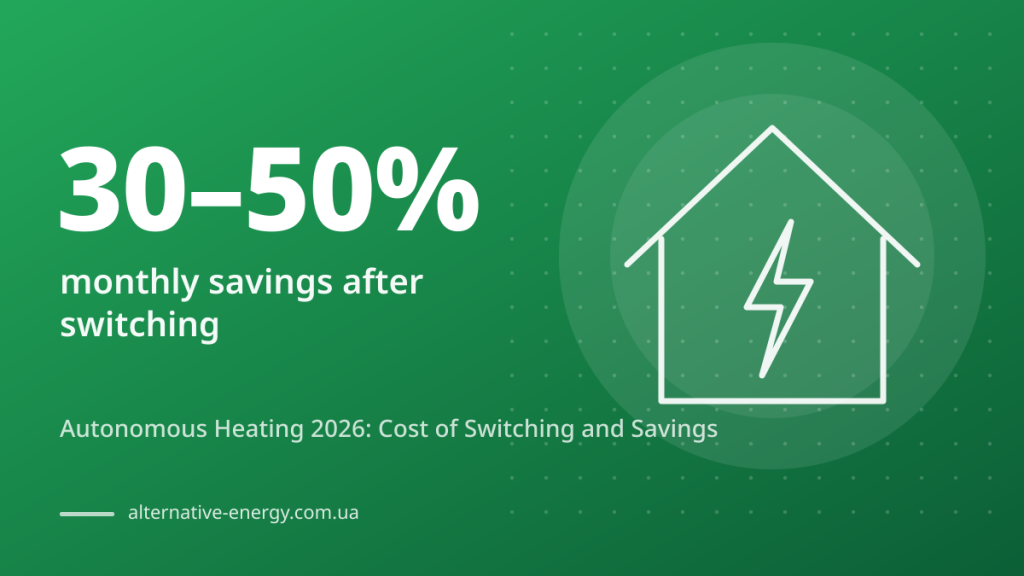
- Monthly savings reach 30–50% compared to district heating bills.
When the Law Allows You to Leave District Heating
For a standalone private house, the procedure is simple: the owner submits documents independently, with no need for neighbor approval. In an apartment building, however, the law requires collective consent from residents.
A formal meeting must be recorded in a protocol — without it, applications are not accepted. The protocol also names the authorized representatives who will manage the process on behalf of the building. In practice, initiative groups start going door to door months before the deadline: some apartments are rented out, some residents are abroad, and others are simply hard to reach.
Applications are accepted at three points: the local council, the nearest CNAP service center, or the district council at your place of residence. Project costs, dismantling the old system, and installing the new one fall entirely on the owners — the state provides no compensation. We covered the tariff background in a separate piece on rising district heating costs and how to reduce them.
What It Costs to Start Autonomous Heating
The market offers several technological options at different entry price points. The most accessible is an electric boiler at UAH 8–15 thousand, excluding installation. Gas equipment starts from UAH 25–40 thousand. A complete turnkey system for a mid-sized private home is estimated at UAH 100–150 thousand, covering the project, installation, and connection to the gas network.
Unlike gas or electric convectors, systems not tied to a single energy source give property owners a way to plan beyond the cycle of annual tariff reviews.

Savings and Payback Period
Energy consultants cited by Znaj.ua estimate monthly savings after switching at 30–50% compared to district heating bills. The exact figure depends on the chosen technology, the building’s insulation quality, and local energy prices.
The main benefit is not so much rapid hardware payback as escaping the routine of utility tariff revisions. When district heating rates are adjusted upward, an autonomous system is exposed only to gas or electricity costs — sources the owner can manage on their own terms.
What to Assess Before Submitting an Application
Switching makes financial sense only if the home is technically ready: either a gas connection is feasible, or there is sufficient allocated grid capacity for an electric boiler, and the building layout can accommodate the equipment. For apartment buildings, the critical factor is having an initiative group capable of organizing a formal meeting and gathering all required documents before September 1.
The weak link in any autonomous heating setup is insulation. If heat is escaping through walls and windows, even the most efficient boiler will fall short of the promised 30–50% savings. Experienced homeowners therefore start the transition not with equipment purchases, but with an insulation audit and weatherstrip replacement.
When the planning horizon extends to five years or more, the calculation should factor in not only capital costs, but also the risk of rising district heating tariffs and partial blackout scenarios: an autonomous system offers greater flexibility, but requires backup power for the circulation pump and control electronics.
Sources: Znaj.ua
Prepared by the Alternative Energy editorial team with the help of AI based on the sources listed; facts and figures were checked against them during automated editorial review. How we prepare articles