


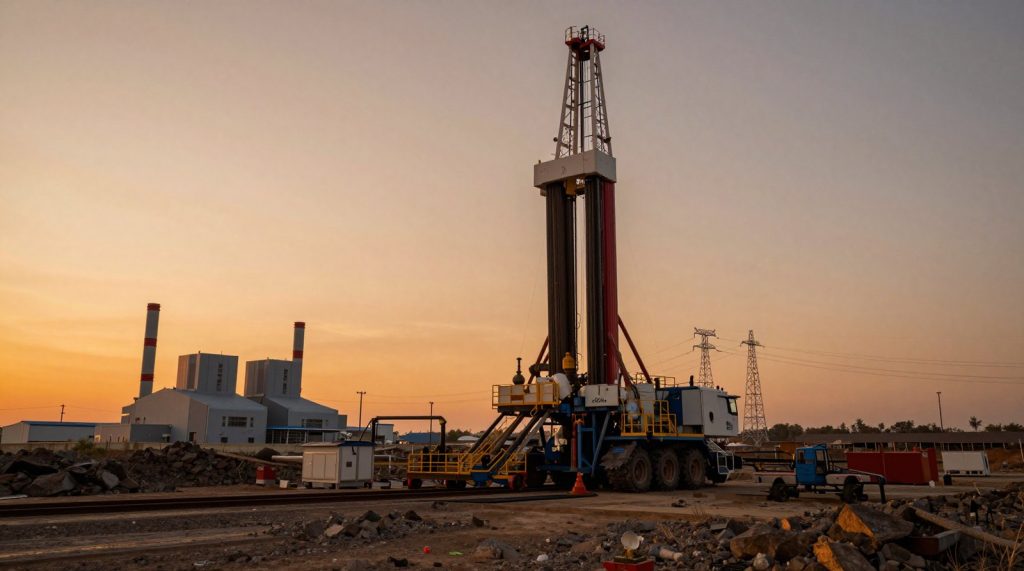
Geothermal energy is emerging as an unexpected source of low-carbon baseload power for Big Tech data centers — and the key catalyst is the technology arsenal of the oil and gas industry. A new report by energymonitor.ai shows how hydraulic fracturing, horizontal drilling, and specialized oilfield equipment are opening access to the earth’s heat across a wider geography and with shorter grid connection timelines.
Key takeaways:
- Investment in geothermal projects is forecast to reach $2.5 trillion by 2050.
- In 2018, the sector attracted just $22 million in global funding, according to the IEA.
- Google signed a PPA with Fervo Energy in September 2026 for the Cape Station project in Utah.
- Oil and gas technologies — drilling, drill bits, pumps, and chemicals — transfer directly to geothermal applications.
Why Big Tech is betting on subsurface heat
Florent Rousset, VP of New Energy at Baker Hughes, explains that hyperscalers are drawn to geothermal energy for two reasons: the speed at which new capacity can be connected to the grid, and the availability of low-carbon baseload power. According to energymonitor.ai, Google signed a power purchase agreement with Fervo Energy in September 2026 for the Cape Station project in Utah. Earlier, the company had struck a deal with Ormat in February 2026 and with Fervo via NV Energy in June 2024.
Meta signed an agreement with XGS Energy in June 2025 and with Sage Geosystems in August 2024. Microsoft and Amazon have also inked deals with geothermal developers. Against the backdrop of 2018, when global funding stood at just $22 million according to the IEA, the projected trajectory toward $2.5 trillion in investment by 2050 marks a clear industry inflection point. We covered early hyperscaler interest in this space in our piece on Google and geothermal energy development.
What oil and gas brings to geothermal
Rousset notes that “next-generation” geothermal systems are technically more complex than conventional hydrothermal. Exploration and production technologies — including hydraulic fracturing and horizontal drilling — enable work in harder rock formations and access to heat at greater depths across a broader geographic range. Many of these skills were honed during the unconventional revolution in North America over the past two decades, and that same expertise is now being redirected toward the clean energy sector.
Operationally, the lifecycle of a geothermal project mirrors that of a gas project: desktop study, exploratory drilling, appraisal and pilot wells, long-term production, and eventual decommissioning. For each phase, drill bits, pumps, chemicals, and power generation infrastructure already exist — all supplied by oilfield service companies for decades. For broader industry context, see our overview of challenges and prospects in geothermal energy.
Where direct technology transfer runs into limits
Rousset identifies three specific constraints. The first is integration: a power plant must be sited adjacent to the well to avoid heat losses, meaning local generation plans and offtake agreements need to be embedded from the earliest stages of project design. The second is repurposing existing oil and gas wells: the reservoir is already characterized and may contain a high-temperature resource, but integrity and safe reuse remain the critical open question. The third is scale: typical geothermal projects targeting large offtakers operate in the tens and hundreds of megawatts — sometimes gigawatts — and proven repurposing cases at that scale simply do not yet exist.
The commercial model and risk allocation, according to Rousset, are still taking shape: there is no standard template, and agreements are negotiated individually based on the timeline and scale of each specific project. At the same time, several operators are targeting first power delivery to the grid by the end of the decade — a deadline set by Big Tech, which needs reliable baseload supply for its data centers.
The bigger picture
If the oil and gas technology base truly becomes the foundation for a new wave of geothermal projects, countries with mature drilling sectors gain a natural entry point into this niche — without having to build a service ecosystem from scratch. The key developments to watch are the evolution of contract models between hyperscalers and developers, and how the question of well repurposing at industrial scale will be resolved. These two factors will likely determine whether the first commercial projects can actually deliver power to the grid before the end of the decade.
Sources: energymonitor.ai
Illustration generated with AI
Prepared by the Alternative Energy editorial team with the help of AI based on the sources listed; facts and figures were checked against them during automated editorial review. How we prepare articles