


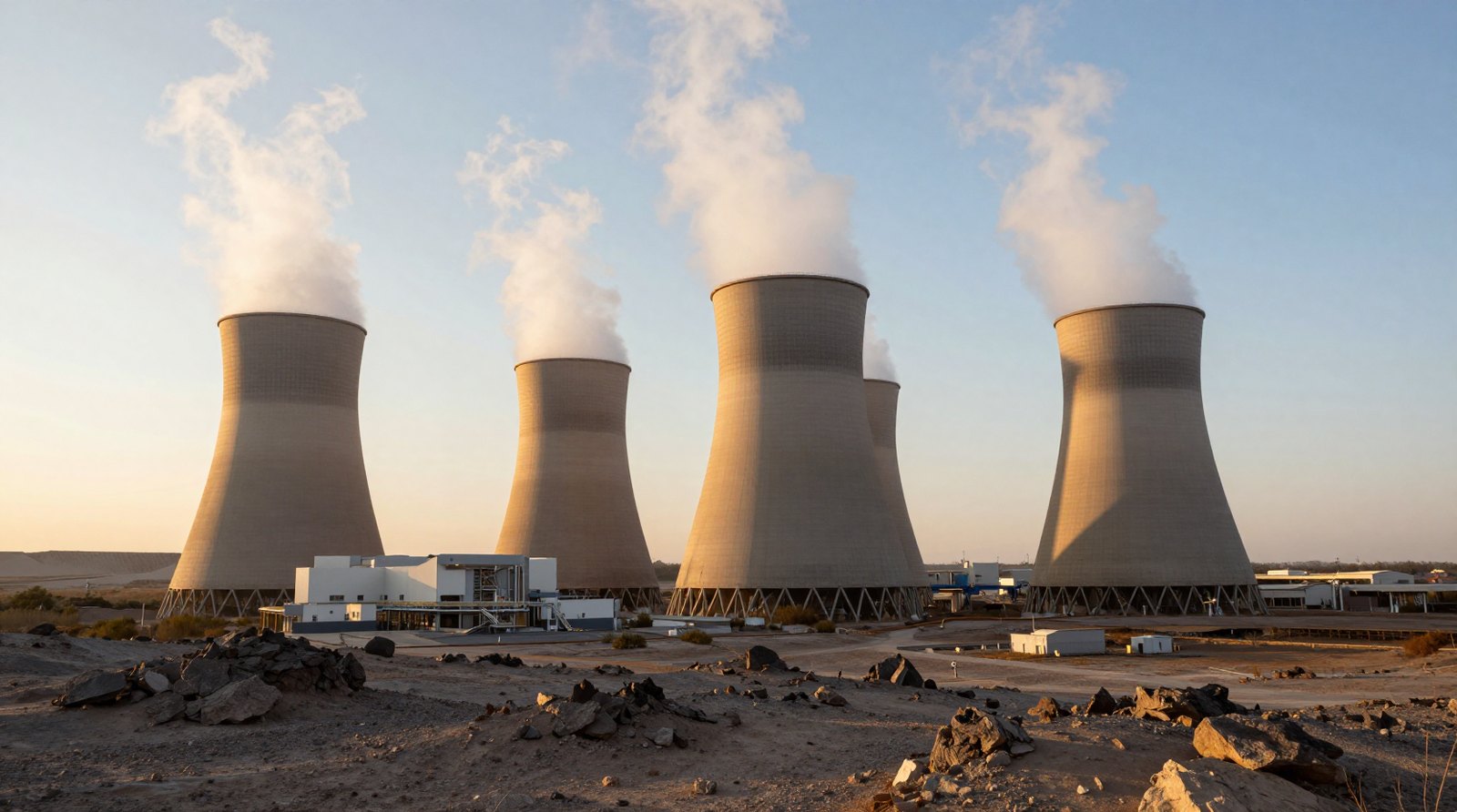
Geothermal energy is one of the few renewable sources that generates electricity around the clock, regardless of weather — unlike solar or wind. As CleanTechnica notes, this makes it a direct competitor to coal and natural gas in the baseload segment. New drilling techniques borrowed from the oil and gas industry promise to extend geothermal’s reach well beyond traditional volcanic hotspots.
Key figures:
- The US currently has less than 3 GW of installed geothermal capacity.
- The US Department of Energy (DOE) estimates the potential at 90 GW by 2050.
- McKinsey projects approximately 40 GW in the US by 2035 and up to 100 GW by 2050.
- According to the IEA, geothermal could meet up to 15% of global electricity demand growth by 2050.
Why “24/7” Is the Key Advantage
Unlike solar and wind farms, a geothermal power plant is not dependent on the time of day, cloud cover, or calm conditions. Heat from the earth flows continuously, allowing a plant to operate at near full capacity year-round. According to IEA data, in 2023 the global capacity factor for geothermal exceeded 75% — compared to below 30% for wind and below 15% for solar PV.
This is precisely what makes geothermal attractive for baseload generation — the role traditionally filled by coal and gas plants. A geothermal plant requires no fuel and can operate flexibly, helping to smooth out fluctuations from solar and wind output.
EGS: Oil and Gas Drilling Reshapes the Map
Conventional geothermal works only where nature has combined heat, water, and permeable rock — in the US, that means a handful of sites in western states. Enhanced Geothermal Systems (EGS) and advanced closed-loop (ACL) systems apply horizontal drilling and hydraulic fracturing techniques refined by the oil and gas industry. This enables heat extraction at greater depths and far outside traditional geothermal zones.
According to a 2024 DOE report cited by McKinsey, the full technical potential of next-generation geothermal systems in the US reaches 5,500 GW. Private investors have already committed $900 million to such projects.
One practical example is Zanskar, which acquired the Lightning Dock plant in New Mexico. Within a year of the acquisition, the company reported drilling 35% faster than the previous record on the same field and cutting surface infrastructure costs by 75%. A single well now powers the entire 15 MW unit.
Scale: The US and the World
DOE estimates that by 2050 the US could reach 90 GW of geothermal generation, including in states east of the Mississippi — where no geothermal plants exist today. McKinsey offers a similar range: roughly 40 GW in the US by 2035 and up to 100 GW by 2050.
At the global level, the IEA estimates that, assuming cost reductions materialize, next-generation geothermal systems could cover up to 15% of global electricity demand growth by 2050 — roughly 800 GW of installed capacity and nearly 6,000 TWh per year. Cumulative investment in the sector could reach $1 trillion by 2035 and $2.5 trillion by 2050, according to the agency.
What This Means
Geothermal energy addresses the central challenge facing renewable power — how to deliver stable electricity when the sun is not shining and the wind is not blowing. Today it remains a niche technology with limited geography, but new drilling methods are removing its main constraint: dependence on volcanic zones. For power systems seeking a clean replacement for fossil baseload generation, this is a compelling reason to track the first commercial EGS projects and their real-world cost figures. For more on the potential, see our article Geothermal Energy in Ukraine, and for a deeper look at how it works — our overview Geothermal Energy.
Sources: CleanTechnica, IEA, The Future of Geothermal Energy
Illustration generated with AI
Prepared by the Alternative Energy editorial team with the help of AI based on the sources listed; facts and figures were checked against them during automated editorial review. How we prepare articles


