

Ukraine’s energy regulator NEURC is preparing a demand response reward mechanism that would pay consumers for voluntarily shifting their electricity use away from peak hours to periods of lower grid load. According to rbc.ua, the scheme is being developed as part of Ukraine’s legislative alignment with European demand management standards.
At a glance:
- NEURC will open a public consultation on a cash reward mechanism for shifting consumption away from peak hours.
- Aggregators — new electricity market participants — will coordinate the process.
- Consumers will need to sign two contracts: one with their supplier and one with an aggregator.
- The scheme applies to both households and businesses.
How the flexible consumption mechanism works
The central figure in the new model is the aggregator. NEURC’s draft defines it as a specialized market participant that consolidates the demand-side capacity of individual consumers. In practice, an aggregator pools customers’ willingness to reduce consumption at specific moments and offers that flexibility back to the grid.
For the end user, this does not mean switching electricity suppliers. NEURC makes clear that the existing power supply contract with the current supplier remains in place. Alongside it, consumers would sign a separate agreement with the aggregator — specifically for participation in demand response and for receiving payments.
What changes for households and businesses
The scheme is universal across all consumer categories, though the mechanics differ:
- Businesses can shift individual production processes to hours of minimum grid load.
- Households can reschedule the operation of high-draw appliances.
For residential consumers, this is a concrete regulatory proposal: saving electricity at peak times can generate direct payments, not just a lower bill. Combined with dynamic pricing and demand response, this forms the second flexible market instrument — alongside a price signal, there is now a direct payment for responding to system needs.
A step toward the European market model
The changes are being prepared as part of Ukraine’s legislative alignment with EU standards. European demand response practice is built on the premise that demand can be predictably shifted just as generation can: where adding peak capacity is difficult, it is more cost-effective for the system to pay consumers to reduce load.
This is not NEURC’s first move in this direction. On September 15th, the regulator approved a draft amendment allowing consumers with smart meters to sign dynamic electricity pricing contracts. In parallel, the commission is expanding grid balancing tools. The new initiative fits the same logic — making demand an active element of the market.
The draft resolution will be published on the official NEURC website in the near future for public comments and open discussion.
Key takeaways
For Ukraine’s electricity market, this signals that demand management is moving from theory into the regulatory framework. For households and businesses, it is a prompt to consider now which appliances or processes can realistically be shifted in time without sacrificing comfort or productivity. If the mechanism comes into force, that kind of demand-side planning will be the basis for future payments. The details — reward amounts, aggregator requirements, settlement procedures — are still to emerge from the public consultation, so developing the habit of planning your consumption will pay off regardless.
Sources: rbc.ua
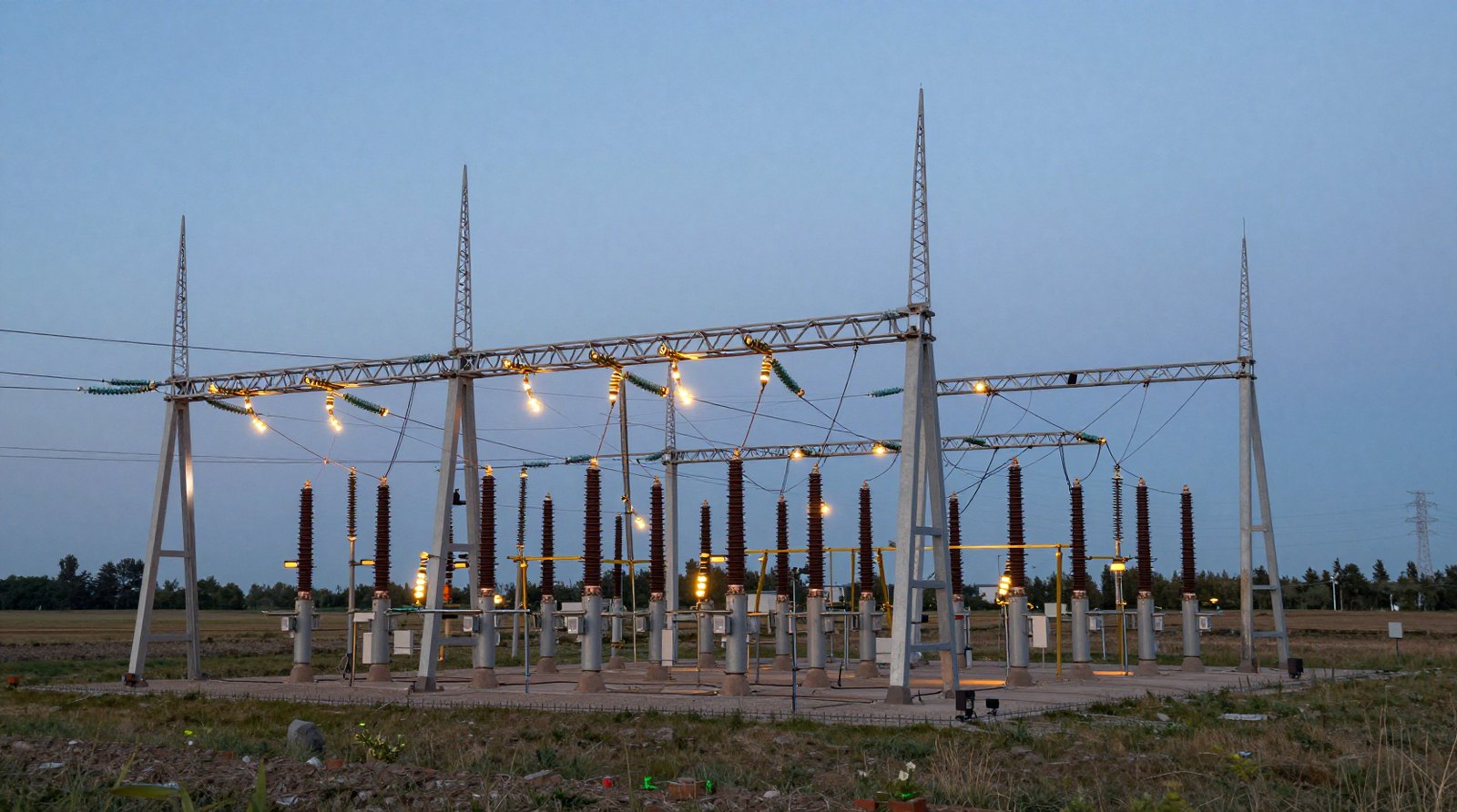
Illustration generated with AI
Prepared by the Alternative Energy editorial team with the help of AI based on the sources listed; facts and figures were checked against them during automated editorial review. How we prepare articles


