


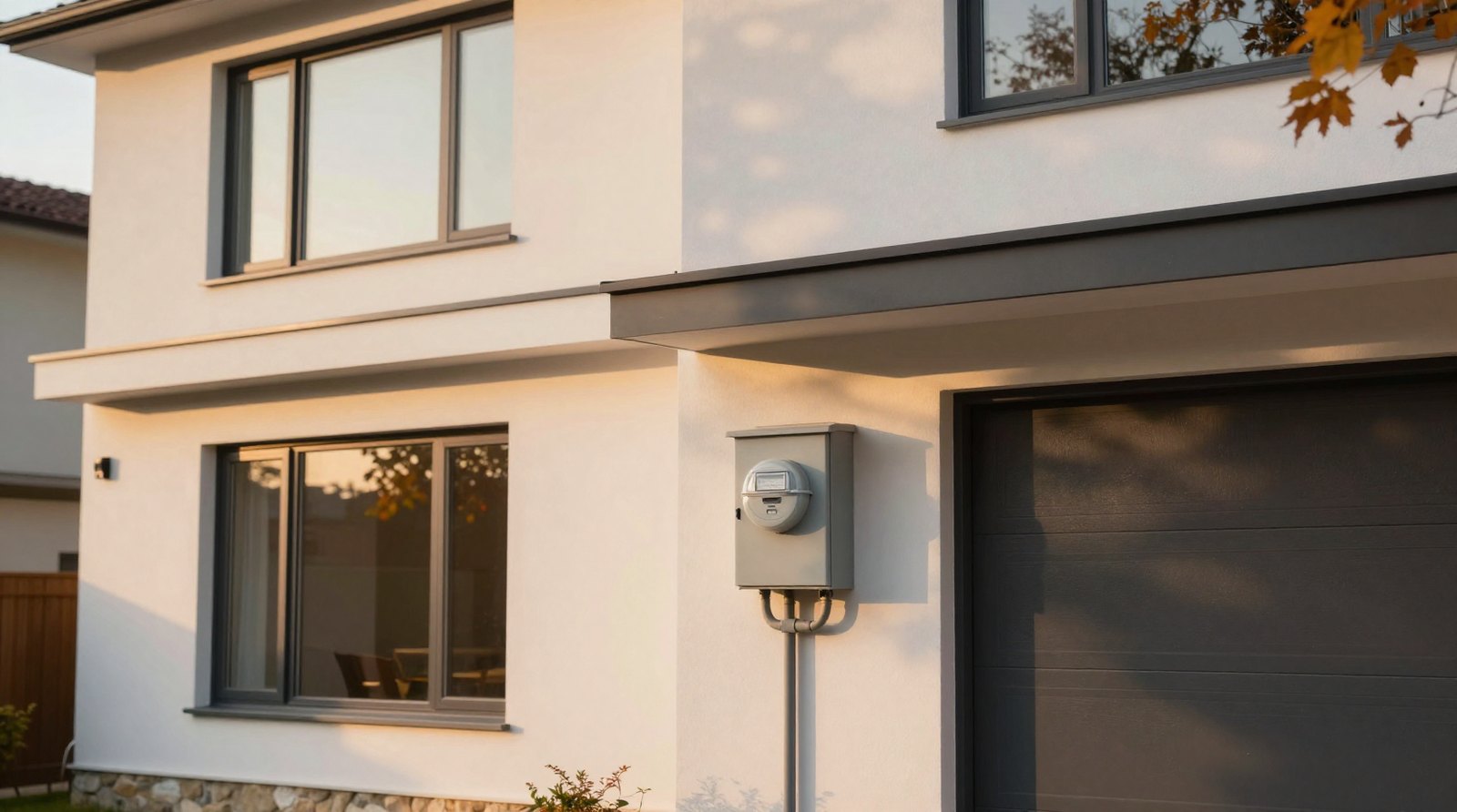
Ukraine’s Cabinet of Ministers has extended the preferential electricity price for households that rely on electric heating or have no access to the gas network until 31 October 2026: 2.64 UAH per kilowatt-hour. The standard household rate remains unchanged at 4.32 UAH/kWh. For anyone planning energy independence at home, this is not a bureaucratic footnote — it is a concrete benchmark for the heating season ahead. The preferential electric heating tariff effectively sets the floor cost of grid-sourced heat.
Key points:
- Reduced rate — 2.64 UAH/kWh, valid from 1 October through 30 April.
- Standard household electricity price — 4.32 UAH/kWh.
- Monthly cap for the preferential rate — 2,000 kWh.
- The gap between the regulated and market price is covered by Energoatom and Ukrhydroenergo.
Who qualifies for the reduced rate
According to the Ministry of Energy of Ukraine, the decision was adopted on 30 April 2026 through a further extension of the public service obligation (PSO) mechanism. The 2.64 UAH/kWh rate applies to three categories of residential property: homes with electric heating systems, dwellings not connected to the gas grid, and multi-apartment buildings that receive neither centralised nor autonomous heat supply. Outside the heating season — that is, from May through September — the preferential rate does not apply.
First Deputy Prime Minister and Minister of Energy Denys Shmyhal described the extension as a consistent course of action to support citizens during the period of martial law and to strengthen the resilience of the energy system.

The 2,000 kWh cap and its critical catch
The benefit operates on a hard-cap basis: the reduced rate applies only as long as monthly consumption stays below 2,000 kWh. The mechanics of exceeding the threshold are non-linear. If the meter reads even one unit above the set limit, the full standard rate of 4.32 UAH/kWh is applied to the entire month’s consumption — not just to the excess above the cap.
In practice, this means that a homeowner with an electric boiler who slightly overshoots the threshold in January pays the standard price on everything consumed that month, rather than receiving the discount on the first 2,000 kWh and paying extra only on the remainder. For system design purposes, this is a meaningful signal: load predictability and inertia are worth more than they might initially appear.
What this means for households pursuing energy independence
The fixed spread between 2.64 and 4.32 UAH/kWh is a working financial reference point through at least the end of the 2026/2027 heating season. Several practical conclusions for households:
- If a private home is not connected to the gas grid or is being converted to electric heat, registering for the preferential tariff group with your electricity supplier pays off from the very first bill of the season.
- Estimated daily consumption should be calculated so that the monthly figure stays below 2,000 kWh: a heat pump or a buffer tank that smooths out peak demand is more cost-effective here than a direct electric boiler running at full capacity.
- For homes with their own solar power plant, the preferential rate applies only to grid imports, so the economic case for an energy storage system strengthens as daytime generation approaches daytime consumption.
Households considering a large-scale system upgrade will find it useful to review the terms of bank lending programmes for renewable energy and the private solar taxation rules covered in our guide on private solar plants and taxes.
Why the government keeps the price below market
The preferential tariff is not driven by market logic — it rests on the PSO mechanism. The shortfall between the regulated household price and the actual cost of electricity is borne by Energoatom and Ukrhydroenergo. These two state-owned generating companies absorb the bulk of costs under this model, which means the fiscal sustainability of the scheme depends directly on their financial performance.
Concerns about a possible revision of the tariff structure in 2027 have already entered the public debate: Member of Parliament Serhiy Nahornyak publicly raised the issue, citing the financial burden on state companies and requirements from international partners (TSN, 01.10.2026). For a household planning to install a heat pump, a hot-water storage boiler, or a hybrid solar system with battery storage, this is an argument against postponing the calculations: today’s 2.64 UAH/kWh is a known variable — tomorrow’s price is not. For context on how alternative pricing models work, see our overview of dynamic tariff experience in the EU.
The 2.64 UAH/kWh rate is a real financial tool for those building their own energy independence model this winter. The predictable window it offers is best used to compare solutions against actual numbers, rather than budgeting around hypothetical “market” values that simply do not exist for residential consumers right now.
Sources: Міністерство економіки України (mev.gov.ua), ТСН
Illustration generated with AI
Prepared by the Alternative Energy editorial team with the help of AI based on the sources listed; facts and figures were checked against them during automated editorial review. How we prepare articles


