


A group of inventors from the University of Cambridge have long worked to find new ways of producing energy. Together with representatives of other UK universities, they were able to create special wallpapers that are capable of producing electricity. It is interesting that the invention is able to operate as a solar panel, and as an accumulating device.
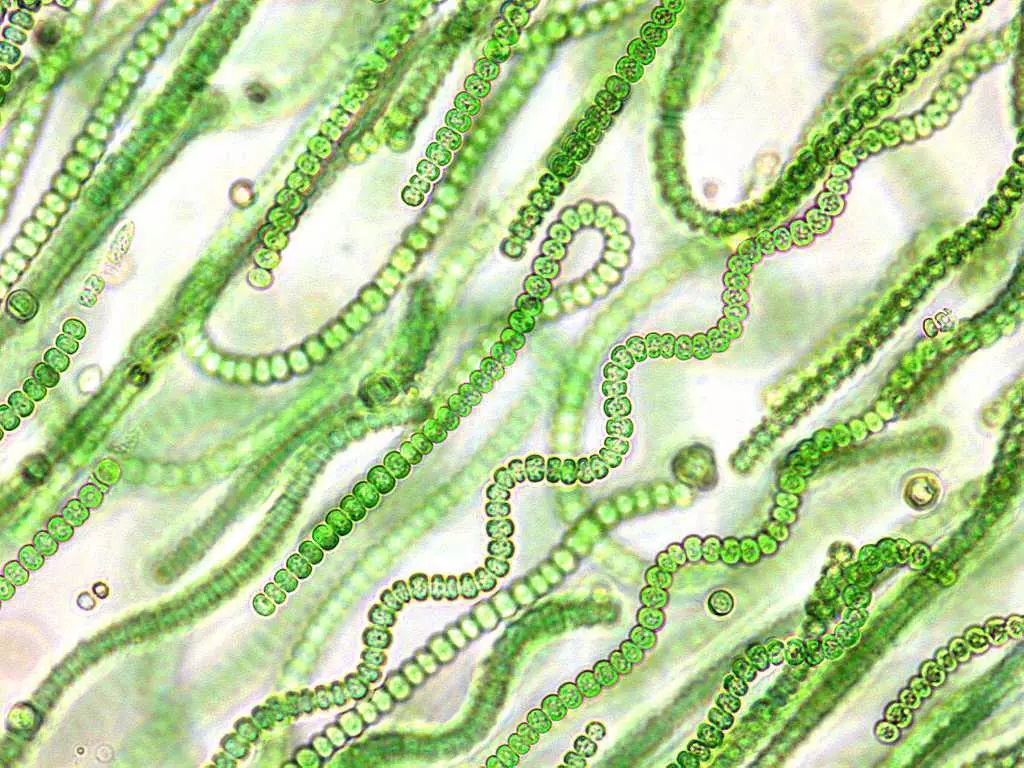
The initial stage of production of such wallpapers was the development of special ink with cyanobacteria, thanks to which the inkjet printer was able to realize the idea of scientists. It is known that cyanobacteria have the ability to photosynthesize. The printer applies the ink to a pre-prepared layer consisting of carbon-based nanotubes that have good conductivity. Nanotubes are placed on future wallpaper, too, using printer printing. These special layers and represent the whole essence of innovation.

The inventors have already outlined a rather wide range of possible applications of their development and the benefits obtained from it. Although the wallpaper produces little energy, they can be used as biodegradable sensors. Wallpaper can provide the house with ever fresh air and at the same time feed digital technology. And after they have outlived their own, they can be sent to scrap without fear for the environment.

The second difficulty is the limited life of bacteria. Complexities are slightly leveled by the presence of an inkjet printer, but they remain. If the developers cannot properly organize the production of such wallpapers in large volumes, then this method can be reflected in the manufacture of biodegradable sensors.


